
The workout
-
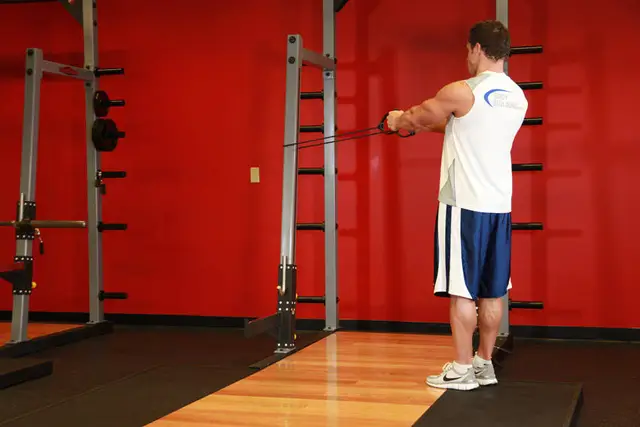
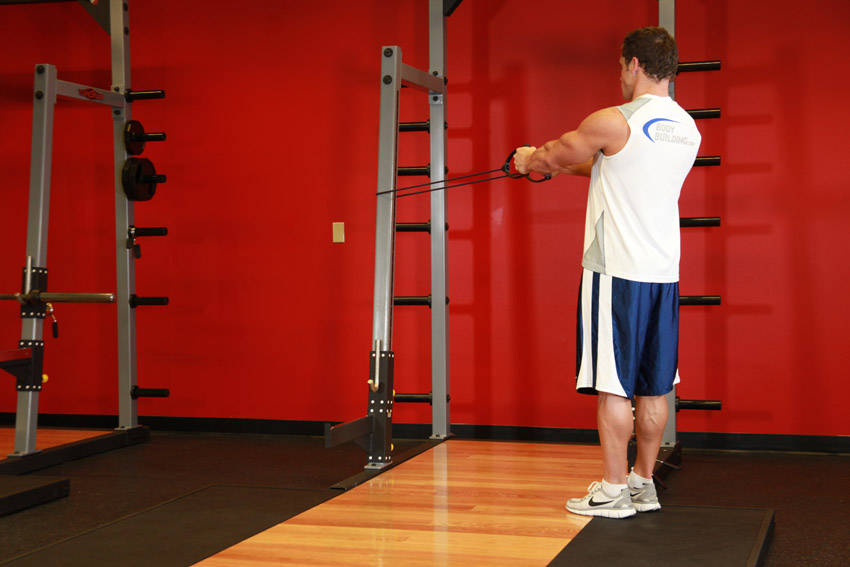 1 Back Flyes - With Bands
Squeeze your shoulder blades together at the back of every rep. That squeeze is the whole point of this movement, not the arm motion.
-
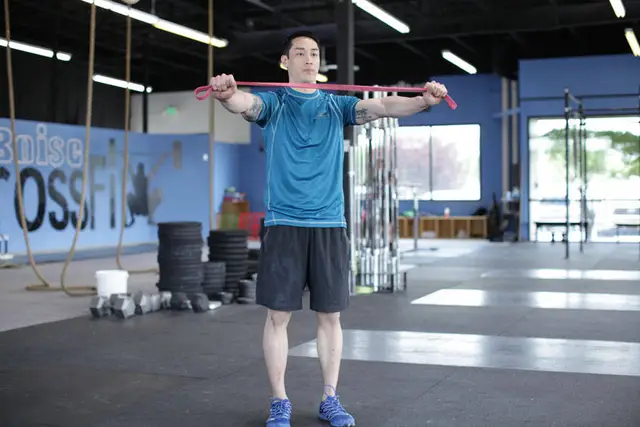
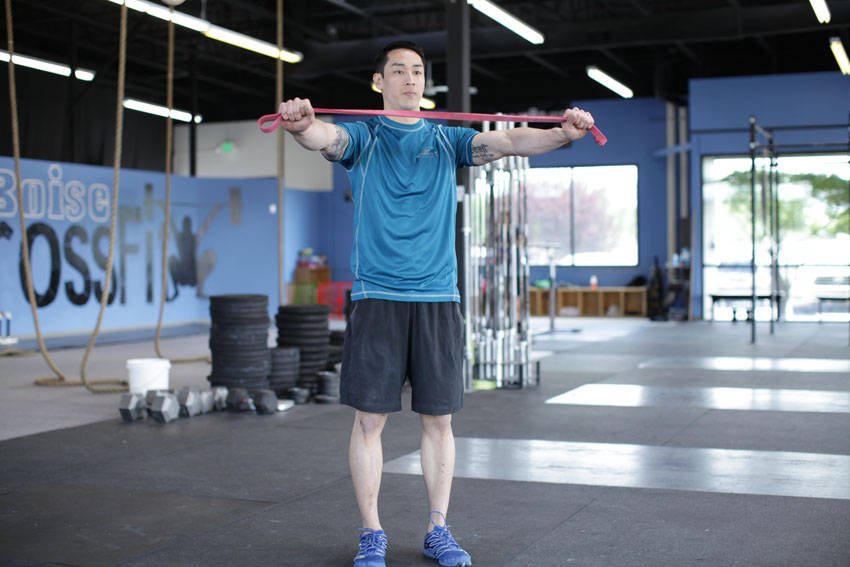 2 Band Pull Apart
 -
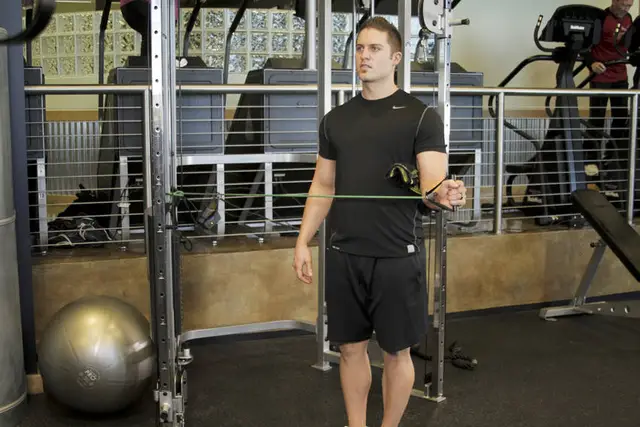
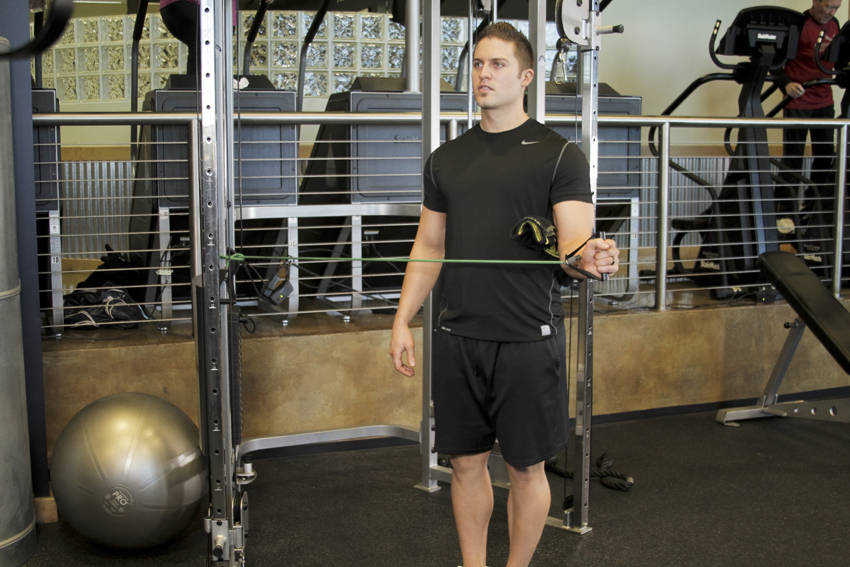 3 External Rotation with Band
Keep your elbow pinned to your side the whole time. If it drifts forward, the band is doing less work than it should.
-
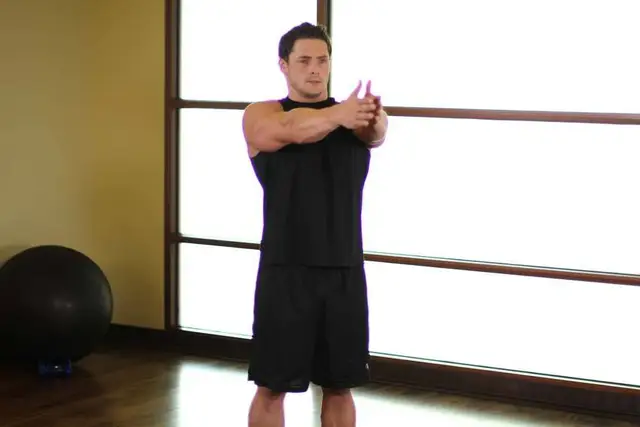
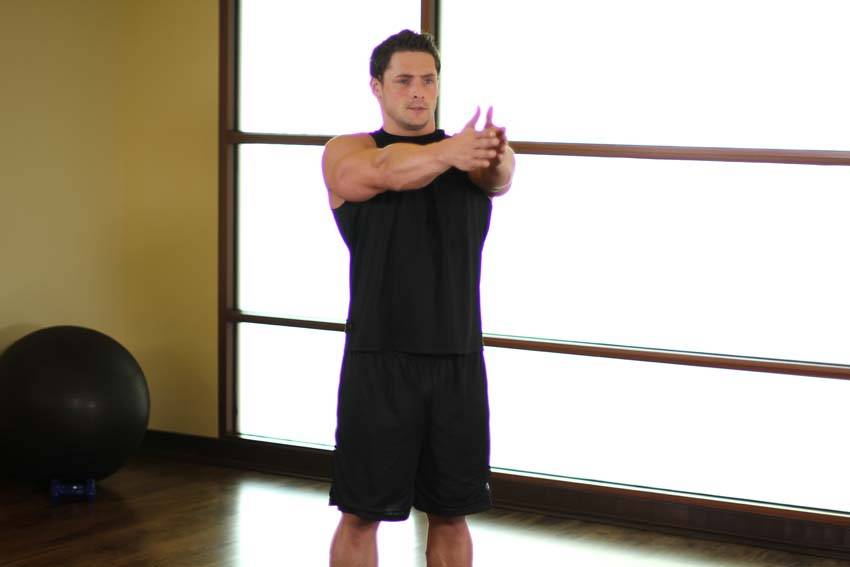 4 Dynamic Chest Stretch
 -
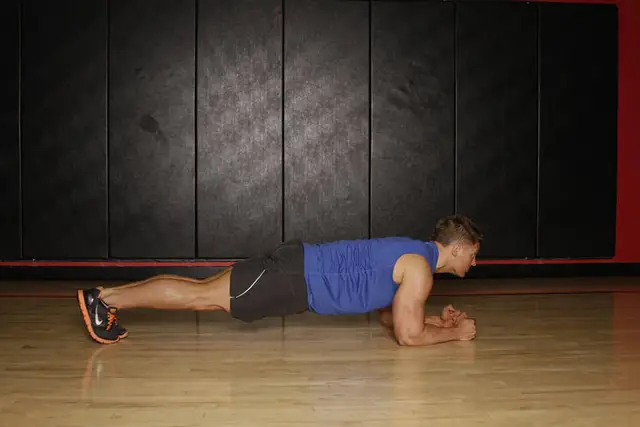
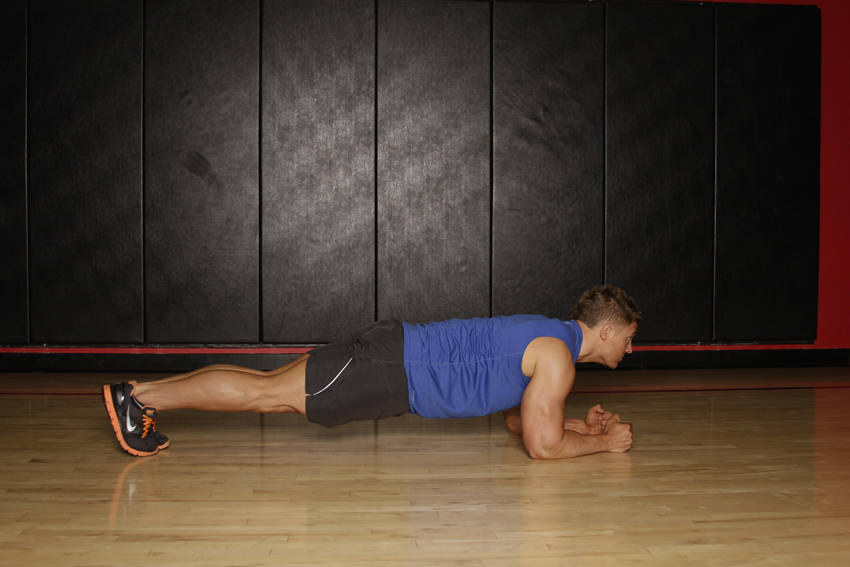 5 Plank
Stop the moment your hips sag or your lower back arches. A shorter, strict hold does more for you than a longer, sloppy one.
Sitting at a desk pulls your shoulders into a specific, predictable shape: rounded forward, chest shortened, upper back muscles switched off from disuse. This session trains the exact opposite pattern on purpose. It opens with back flyes with bands, the most compound pulling movement here, done while you're freshest, because retraining the muscles between your shoulder blades to actually fire is the main job of this workout.
Band pull aparts come next as a higher-rep, lower-load follow-up that keeps building the same rear-delt and mid-back pattern without asking for much recovery between sets. External rotation with the band is deliberately placed after the two pulling moves rather than before them: it's light rotator-cuff work, and doing it fresh rather than fatigued matters more for a joint-health exercise than for a strength one.
The dynamic chest stretch exists because strengthening your upper back without loosening your chest only solves half the problem. Hours of arms-forward typing shortens the pecs and the front of the shoulder capsule, and that tightness actively fights the muscles you just trained to pull your shoulders back. Skipping this step is a common reason posture work stalls.
Plank closes the session as a reminder that upper-back posture doesn't exist in isolation from the rest of your trunk; a stable core makes it easier to hold your shoulders back all day, not just for the thirty seconds you're holding a plank. Three sessions a week is enough for this kind of corrective work. It responds to consistent, light doses far better than to one exhausting one.
Frequently asked questions
Why bands instead of just rows with a dumbbell?
A band keeps tension on the muscle through the entire range of the movement, including the stretched start position, which is exactly where a desk-hunched upper back needs the most help. It's also genuinely portable: this session is built to happen in a living room or a quiet corner of an office, not to require hauling weights around.
I don't own a resistance band, what do I do?
A light to medium band is inexpensive and worth getting for this session specifically, since three of the five exercises here rely on one. Until you have one, skip the band pull apart and external rotation and instead add a third round to the dynamic chest stretch and hold the plank a bit longer; it's a smaller session, not a broken one.
Will this actually fix my posture?
It will make the muscles that hold your shoulders back stronger and the muscles that pull them forward less tight, which is real and measurable over a few weeks. It won't undo eight straight hours of sitting on its own though; standing up and moving every hour or two, and getting your screen to eye level, do the other half of this job.