
The workout
-
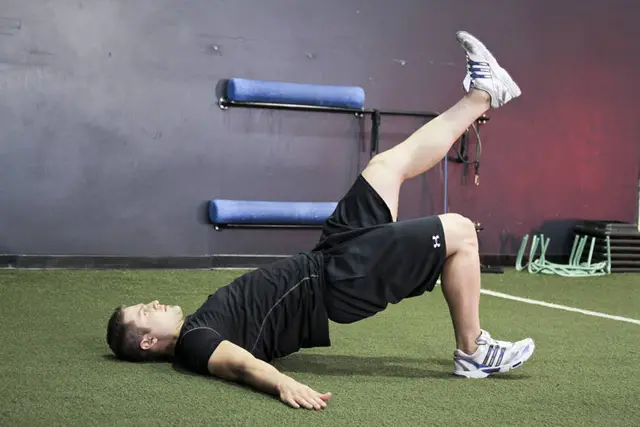
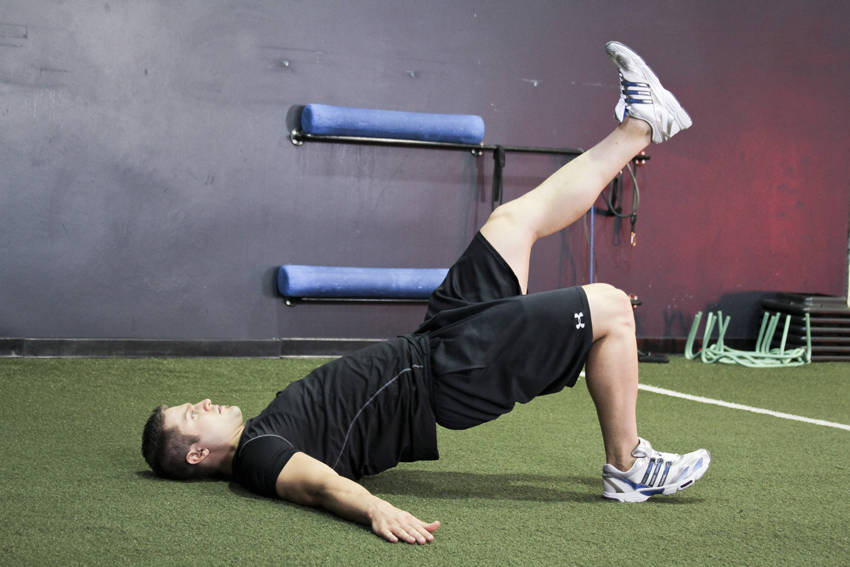 1 Single Leg Glute Bridge
Keep your hips level the whole time, don't let the working side ride higher than the other. Squeeze the glute, not your lower back.
-
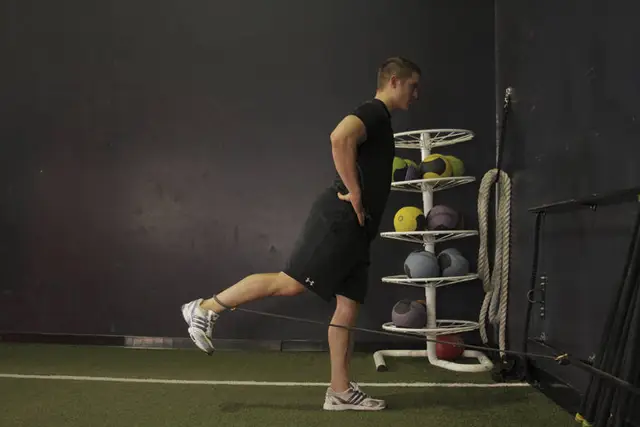
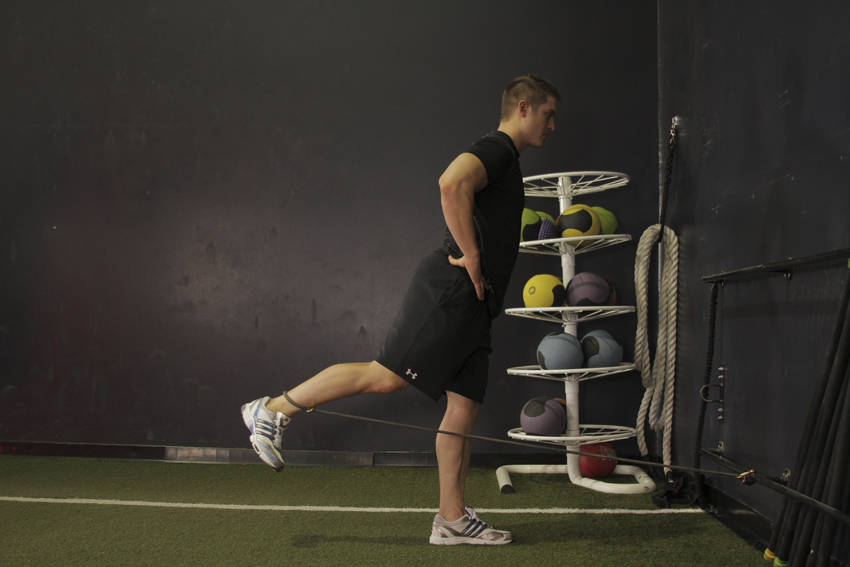 2 Hip Extension with Bands
 -
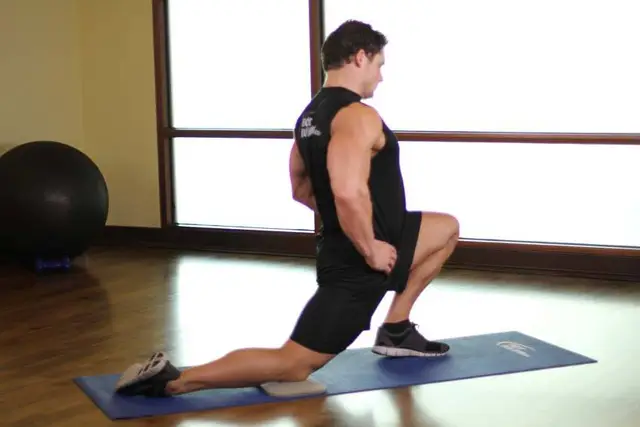
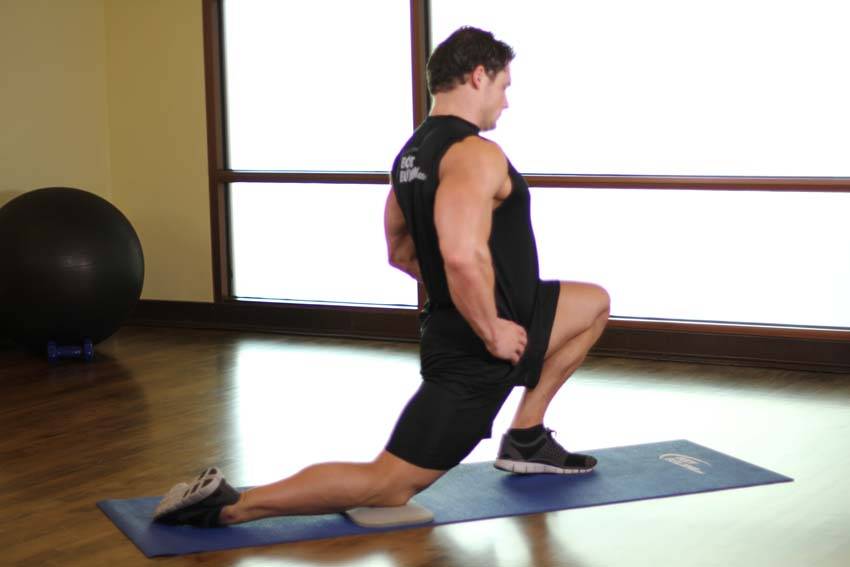 3 Kneeling Hip Flexor
Tuck your pelvis slightly under as you shift your weight forward. That small tuck is what opens the front of the hip, not just the knee.
Prolonged sitting keeps your hips folded forward for hours at a time, which shortens the hip flexors on the front of the hip, and it lets the glutes on the back of the hip go quiet from simple lack of use. This ten-minute session addresses both halves of that on purpose: two exercises that wake the glutes back up, and one real stretch for the hip flexors that are shortened by sitting.
The order matters. Single leg glute bridge and hip extension with bands come first, while coordination and muscle activation are at their best, because strength and activation work asks more of your nervous system than a static stretch does. Doing the hip flexor stretch after the glute work, rather than before it, means you're not relaxing the very muscles that are about to compensate for a glute that hasn't fired yet.
Single leg glute bridge is the harder of the two strength moves on purpose. Taking one leg out of the bridge roughly doubles the demand on the working glute and forces your hips to stay level without support, which directly targets the side-to-side imbalance that comes from leaning or crossing your legs a certain way for hours at your desk.
This is intentionally short. It's meant to be the thing you actually do after a long sitting day, not another twenty-minute obligation competing with the rest of your evening. If your hips still feel tight afterward on a particularly rough day, an extra round of the stretch is a reasonable add. A heavier strength exercise is not; this session is about function and length, not building bigger glutes.
Frequently asked questions
Why train glutes if my actual complaint is tight hips?
Because the two are usually the same problem seen from two sides. Sitting for hours keeps your hip flexors shortened and lets your glutes go quiet, and when your glutes stop pulling their weight, your hip flexors take over jobs they weren't meant to do, which is what makes them feel perpetually tight. Waking the glutes back up is often what actually lets the flexors relax, not just stretching them harder.
How long should I actually hold the hip flexor stretch?
Fifteen to twenty seconds per side is enough to let the muscle genuinely lengthen rather than just feel a quick pull. Going faster than that mostly just adds reps without adding the sustained tension that changes tissue length over time.
Can I do this session at my actual desk during a break?
Not quite as written: the glute bridge and hip flexor stretch both need floor space, so this one is better suited to right before or after work, or a longer lunch break at home. If you only have a few minutes at your desk, standing hip flexor stretches between meetings are a reasonable stopgap, but they're not a full substitute for this session.
What if I don't have a resistance band for the hip extension?
Add a third set of single leg glute bridges in its place instead. It targets the same muscles from a slightly different angle, and this session is short enough that the extra volume won't overload you.