

The workout

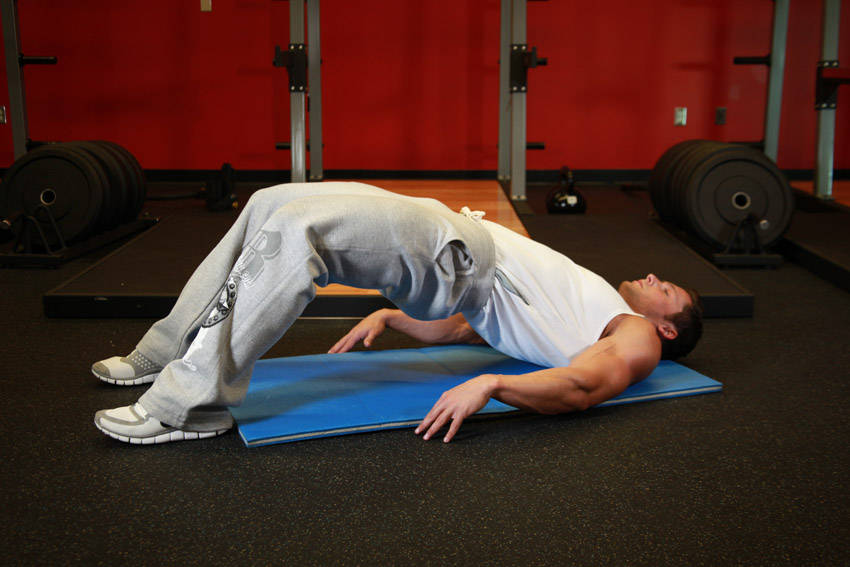
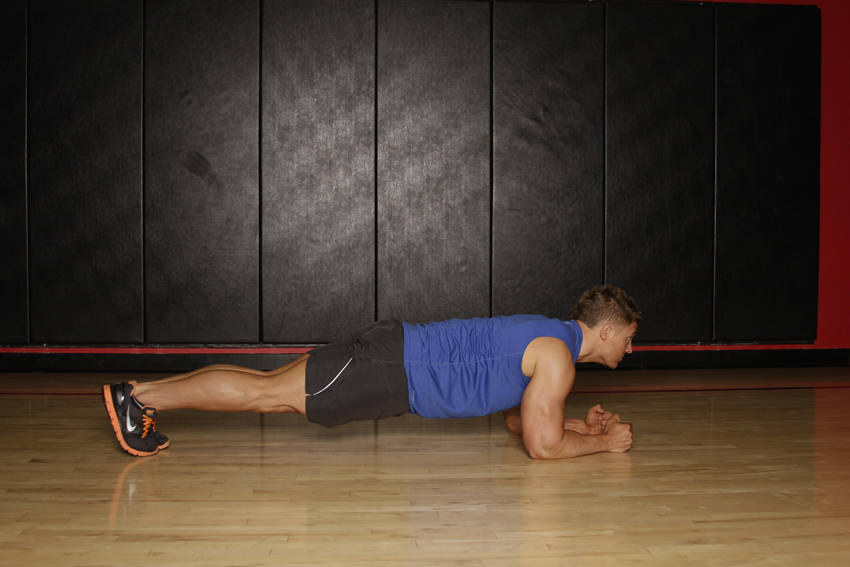
This workout is designed around one observation: most people don't quit exercising because it's hard, they quit because every session asks them to think. Which workout today? Which exercise first? How many sets? Each question is a small exit door. This session closes all of them. Four exercises, always the same, always in the same order, always the same sets and reps. The only decision left is starting.
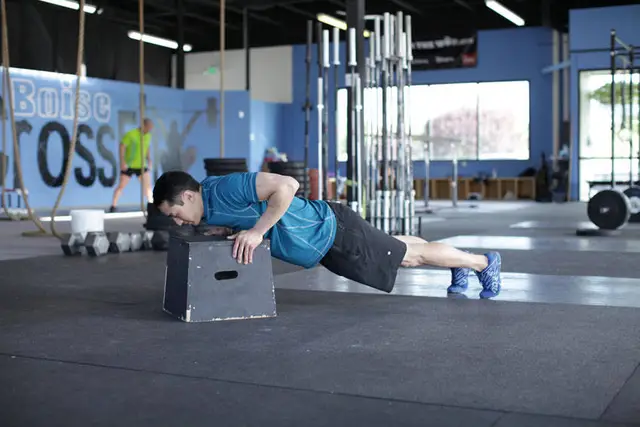
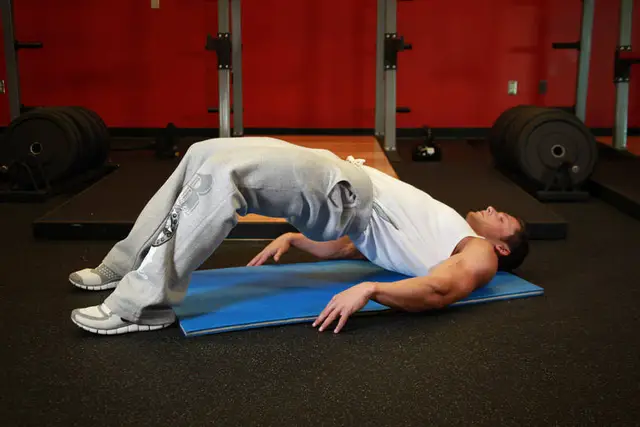
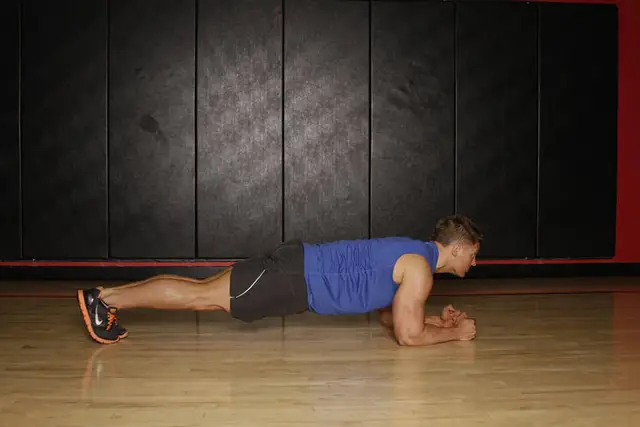
The four movements cover more ground than they appear to. Squats train your legs and hips, incline push-ups handle your chest, shoulders and arms, bridges wake up the glutes that sitting turns off, and the plank ties it together through your core. That's a squat, a push, a hip hinge and a brace: the four patterns most full-body programs are built from, stripped to their most repeatable versions.
The order follows the room, not just the muscles. You start standing (squats), move to the counter (push-ups), then finish on the floor (bridges, plank). One-way traffic. There's no setup, no moving furniture, and no moment where you're standing around deciding what comes next, because that moment is where ten-minute workouts quietly become zero-minute workouts.
Progression lives inside the movements, not in new ones. Add a couple of reps to the squats and bridges, find a lower surface for the push-ups, hold the plank a few seconds longer. When all of that feels easy and you're adding a third round without dreading it, you've outgrown this session, and that's the proof you were looking for: not that you got through a workout, but that you kept a promise to yourself thirty times in a row.
Frequently asked questions
Why the same four exercises in the same order every time?
Because deciding is the part that kills routines, not the exercising. Every choice you have to make before starting (which workout, which exercise first, how many sets) is a chance to not start at all. Here there is exactly one decision: do it or don't. The order also follows the room: two standing exercises, then two on the floor, so you flow one way through the session instead of getting up and down.
Why incline push-ups instead of regular push-ups?
Regular push-ups are the version you can do on a good day. Incline push-ups against a counter are the version you can do on any day, and this workout only works if the answer is always yes. When two sets of 8 feel comfortable, progress by finding a lower surface (a table, then a chair, then the floor), not by giving yourself an excuse to skip.
Only two sets? Is that enough to make progress?
Two sets is the floor, and the floor is set low on purpose: low enough that you never negotiate with yourself about whether you have time. If you finish and genuinely want more, add reps before adding sets, and add a third round of everything only when the extra reps stop feeling like progress. For someone restarting after months off, two honest sets of four movements, three times a week, is real training stimulus, not a warm-up.