
Take Four Minutes Between Sprints
The exercise study everyone is quoting this month takes about 25 minutes to run, and you’re only working for three of them.
Paul Cohen’s lab at Rockefeller University put people on bikes and drew their blood before and after two different sessions. One was six all-out 30-second sprints. The other was 90 minutes of steady moderate riding. Then they measured thousands of proteins and metabolites in the blood afterward.
The sprints shifted nearly a quarter of the proteins measured. The 90-minute ride shifted less than a quarter of one percent. Sprinting also moved more than 200 metabolites and set off a surge in proteins tied to blood vessel growth and hormone signaling. When the team checked those proteins against UK Biobank data from 53,000 people, 32 of the 33 that tracked with lower heart and metabolic disease risk were ones sprinting had moved.
Two details keep that from being a cheap shot at steady cardio. The moderate ride did produce a real protein response, it just took about three hours to show up. And the sprinters’ response held after eight weeks of training, so it wasn’t the body flailing at something unfamiliar.
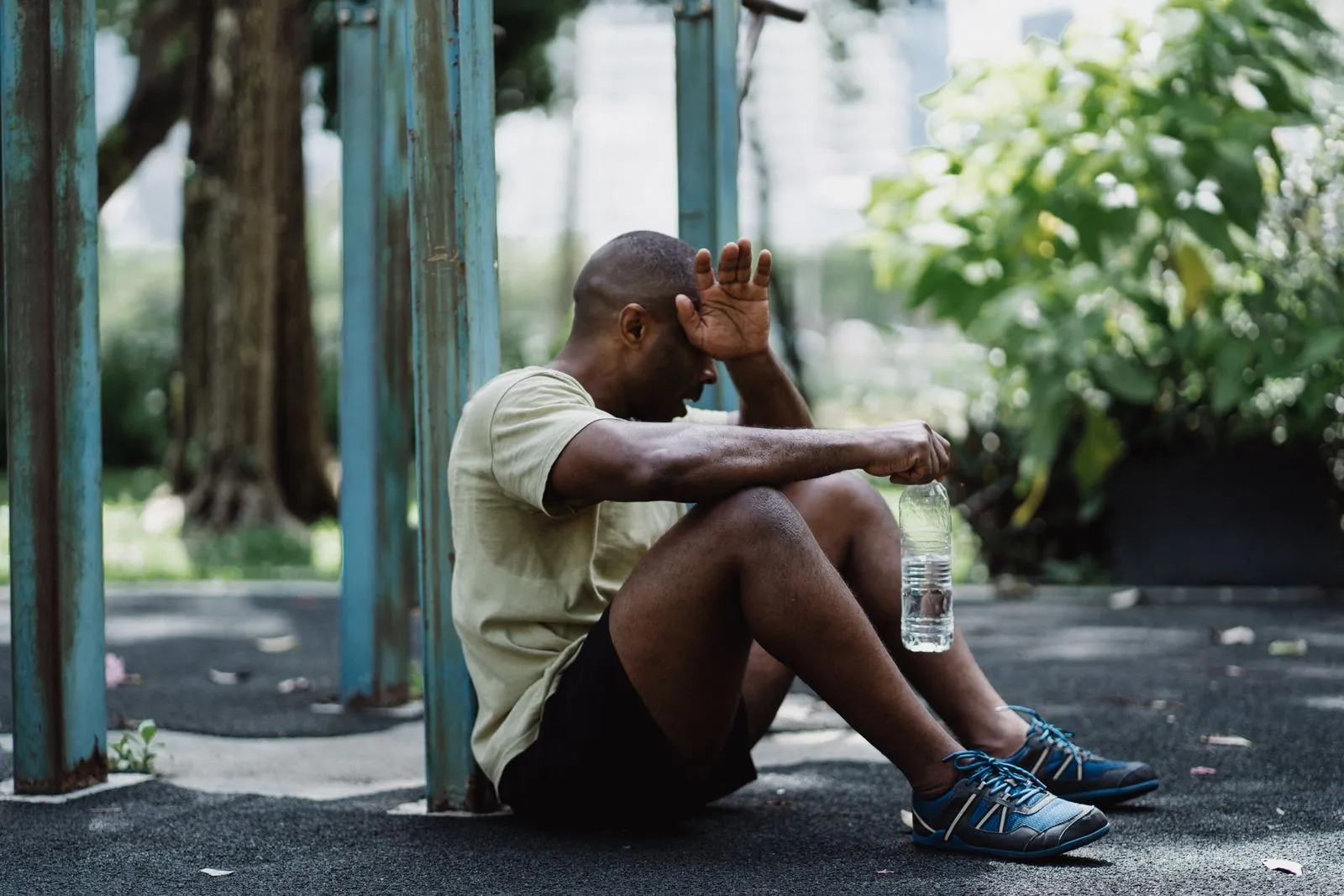
The finding will get repackaged online in the next few weeks as “three minutes beats 90.” Fine. But the number that makes the session work never survives into the headline: between each sprint, those riders rested four minutes.
Short rest turns a sprint session into a grind
Four minutes of sitting on a bike doing nothing feels absurd, which is why it’s the first thing trimmed when a protocol like this reaches a class or an app. Twenty seconds on, twenty seconds off, keep the heart rate up, everyone out in 12 minutes. It looks harder, and it produces something else entirely.
A real sprint runs on phosphocreatine, the fuel your muscle burns through in the first seconds of maximum effort, and it comes back slowly. In a study published in PLOS One, cyclists sat still for six full minutes after a set of all-out sprints. By the end of those six minutes they had rebuilt about 85 percent of their resting phosphocreatine, and their next sprint produced about 86 percent of the work of their first. Six minutes of nothing, and they still couldn’t match their opening effort.
Against that, a 30-second rest buys you almost nothing. By the fourth round you’ve stopped sprinting and started grinding out a moderate effort on tired legs, which describes most group HIIT classes fairly well. The intensity that moved all those proteins needs you recovered enough to produce it.
Before you go book a sprint class
Everyone in the Rockefeller study was young, fit, and mostly male. Scott Trappe, the exercise physiologist NPR asked about the findings, said this kind of training “may not be practical, or even safe, for everyone” and that the cycling protocol “could prove enormously taxing for the average person.” His framing of the intensity debate is the one worth keeping: it’s a continuum, and all of this stuff is good.
Your walks still count. Nobody’s blood chemistry was harmed by 90 minutes of easy riding. What the study adds is that a few seconds at full effort does something an hour and a half of moderate work doesn’t, and that most people never find out, because they’ve never been rested enough to try.
Worth being honest about what full effort means, because almost nobody hits it on purpose. You should slow down noticeably by the end of the 20 seconds, and you should not be able to hold a conversation for a minute afterward. If you can answer a question at the finish, that was a hard run, not a sprint.
You don’t need a lab bike to test this. On your next walk:
- Pick one hill or one block and go all out for 20 seconds. Not brisk. All out.
- Walk easy for four full minutes. Time it. Wait until you’d be willing to do that again.
- Do it one more time, then go home.
Two efforts, forty seconds of work, ten minutes total. If the second one felt as fast as the first, the rest did its job. If it didn’t, rest longer next time.